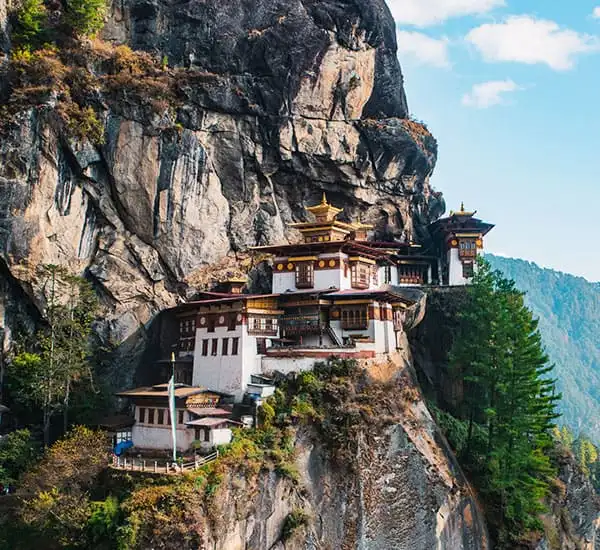
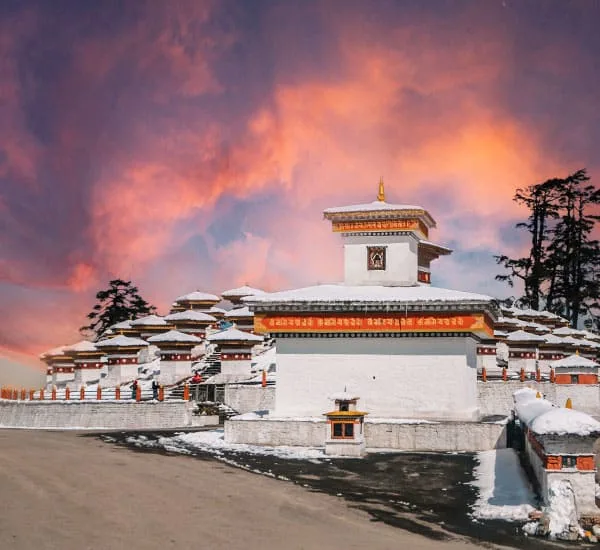
Bhutan's culture is deeply rooted in spirituality, tradition, and community life. Known as the Land of the Thunder Dragon, Bhutan has carefully preserved its rich heritage for centuries. From colorful monasteries and ancient dzongs to vibrant festivals and traditional arts, Bhutan offers visitors a unique cultural experience that remains largely untouched by modern influence.
Bhutanese culture reflects the country’s guiding philosophy of Gross National Happiness, where spiritual well-being, environmental harmony, and cultural preservation are considered essential to national progress. Visitors traveling through Bhutan will quickly notice the pride locals take in their traditions, dress, and customs.
Traditional Lifestyle
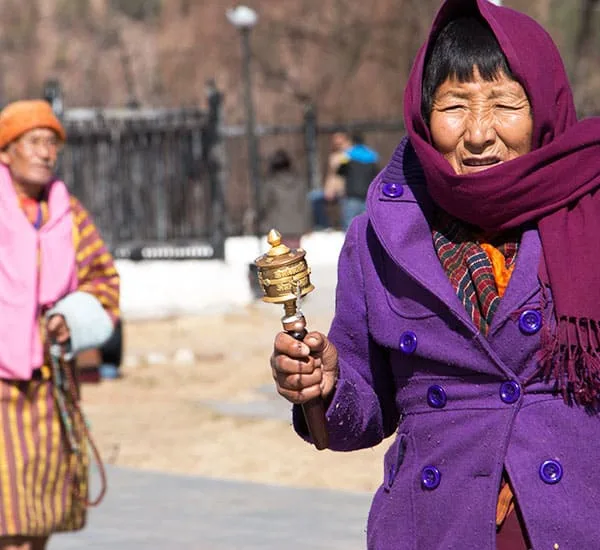
The Bhutanese way of life is closely connected to Buddhist values and local customs. People across the country wear traditional attire such as the Gho for men and Kira for women, especially during festivals, ceremonies, and official gatherings.
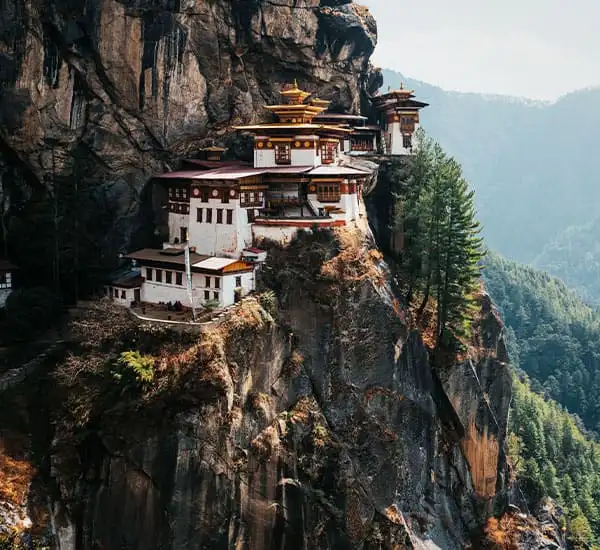
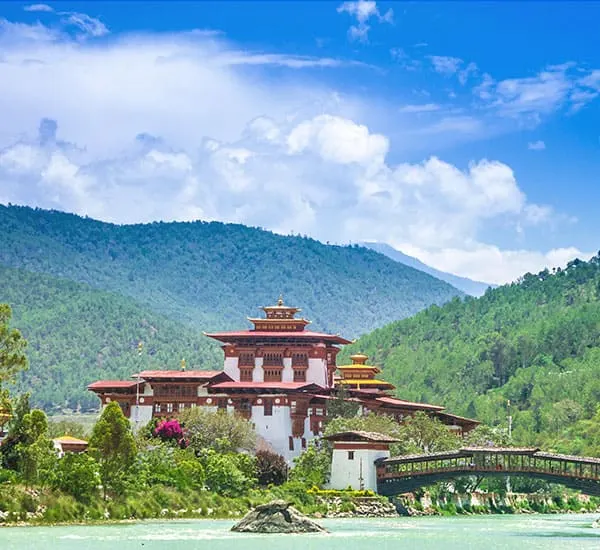
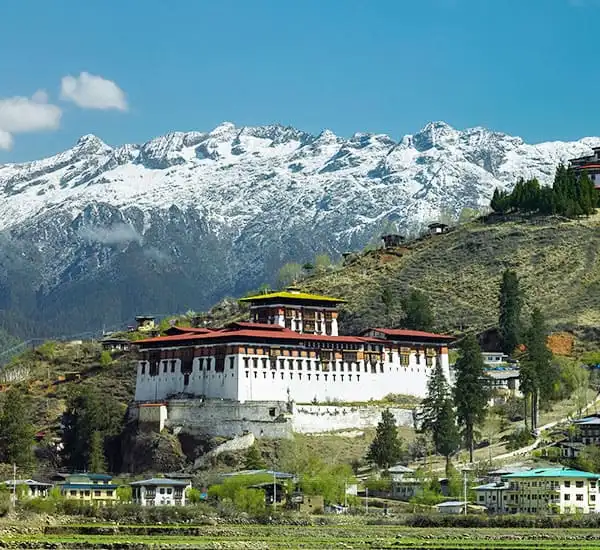
Architecture in Bhutan is another beautiful expression of culture. Monasteries, temples, and homes feature intricate wood carvings, colorful paintings, and symbolic designs that reflect Buddhist teachings and centuries-old craftsmanship.
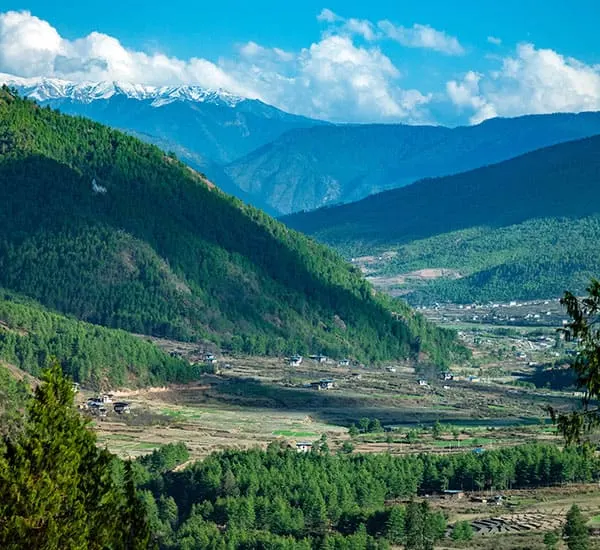
Many communities continue to follow traditional agricultural lifestyles, creating a harmonious connection between nature, spirituality, and everyday life.
Festivals in Bhutan (Tshechus)
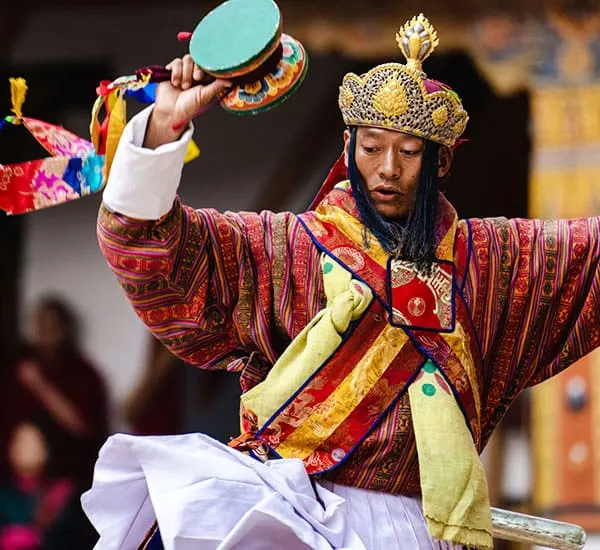
Festivals, known as Tshechus, are among the most spectacular cultural experiences in Bhutan. These vibrant celebrations are held in monasteries and dzongs across the country to honor Guru Rinpoche, the spiritual master who introduced Buddhism to Bhutan.
During Tshechu festivals, monks and dancers perform sacred masked dances (Cham dances) that symbolize the triumph of good over evil. Locals gather in their finest traditional attire to celebrate, pray, socialize, and receive blessings.
Some of the most popular festivals include:
- Paro Tshechu – One of Bhutan’s largest and most famous festivals
- Thimphu Tshechu – Celebrated in the capital with grand performances
- Punakha Drubchen & Tshechu – A historic festival with traditional warrior reenactments
- Jambay Lhakhang Drup (Bumthang) – Known for its unique fire ceremony and sacred dances
These festivals provide a rare opportunity to witness Bhutan’s spiritual traditions, music, costumes, and community celebrations.
Traditional Arts & Crafts
Bhutan is also renowned for its traditional arts, known as Zorig Chusum, which represent the 13 traditional arts and crafts of the kingdom. These include painting, sculpture, weaving, wood carving, embroidery, and metalwork.
Visitors can explore these crafts in local markets, monasteries, and institutions where artisans continue to preserve these centuries-old skills.
Cultural Etiquette for Visitors
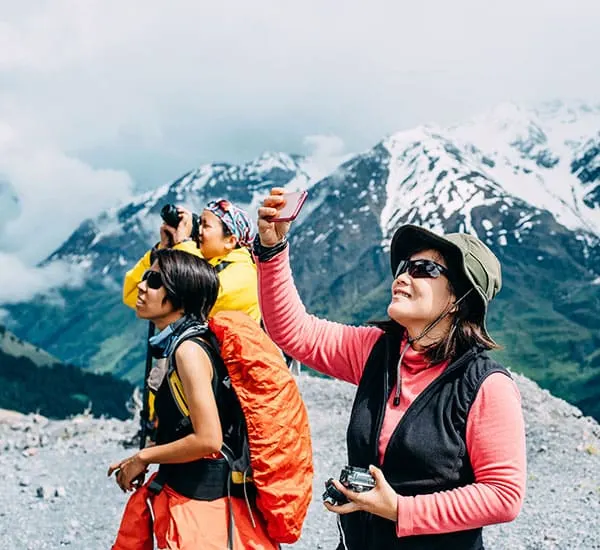
When visiting Bhutan, respecting local customs is an important part of the travel experience. Visitors are encouraged to dress modestly when entering temples and monasteries, remove shoes before entering sacred spaces, and always ask permission before photographing people or religious ceremonies.
Such gestures help maintain the respectful and harmonious cultural atmosphere that Bhutan values deeply.
A Culture That Lives Through Its People
Bhutan’s culture is not confined to museums or monuments-it is alive in everyday life. From monks chanting in ancient monasteries to villagers celebrating colorful festivals, Bhutan offers travelers a rare opportunity to witness a culture that remains vibrant, spiritual, and authentic.
Exploring Bhutan’s culture and festivals allows visitors to connect with the true soul of the Himalayas.